
Understanding the psychological triggers that drive gambling behavior
The Role of Reward Systems
The human brain is wired for rewards, and this biological predisposition significantly influences gambling behavior. When individuals gamble, the anticipation of winning activates the brain’s reward system, releasing dopamine, a neurotransmitter linked to pleasure and satisfaction. This biochemical response reinforces the behavior, making individuals more likely to engage in gambling activities again. At king johnnie online casino, the excitement of potential wins enhances this thrill for players.

Moreover, the thrill of winning—no matter how small—can create a feedback loop that keeps players coming back for more. This phenomenon is particularly potent in environments designed to maximize excitement, such as online casinos where flashing lights and sounds further amplify the emotional high associated with potential wins.
The Illusion of Control
Many gamblers fall prey to the illusion of control, believing they can influence the outcome of random events. This cognitive bias leads individuals to adopt strategies, often misguided, that they think will enhance their chances of winning. For instance, players might develop superstitions or rituals, convinced that certain behaviors can sway luck in their favor. Understanding financial management tips can greatly help manage the pitfalls of this belief.
This belief can be particularly strong in games that involve an element of skill, such as poker, where players feel their decisions impact the game. However, in pure games of chance, such as slots or roulette, this sense of control can lead to significant financial losses, as players may gamble more heavily, driven by the false notion that they can beat the odds.
The Social Aspect of Gambling
Gambling is often a social activity, and the desire for social interaction can be a powerful trigger. Many individuals are drawn to casinos and online platforms not just for the games but for the community and shared experiences. Engaging with others can enhance the excitement of gambling, creating an environment where the highs and lows are experienced collectively.
Additionally, the social norms surrounding gambling can influence behavior. If friends or peers engage in gambling, individuals may feel compelled to join in, increasing their likelihood of participating in risky gambling behavior. This social pressure can sometimes overshadow personal financial management, leading to impulsive betting and excessive losses.
The Psychological Effects of Losses
Losses in gambling can have profound psychological effects. The phenomenon known as “loss chasing” occurs when individuals, after experiencing a loss, feel compelled to continue gambling to recover their lost funds. This behavior can lead to a downward spiral, where the urgency to win back losses results in further financial strain.
The emotional turmoil associated with losing can trigger feelings of regret and frustration. Instead of stopping, many gamblers double down on their efforts, believing they are on the verge of a comeback. This mindset can severely impact financial stability and lead to deeper psychological issues, such as depression or anxiety.
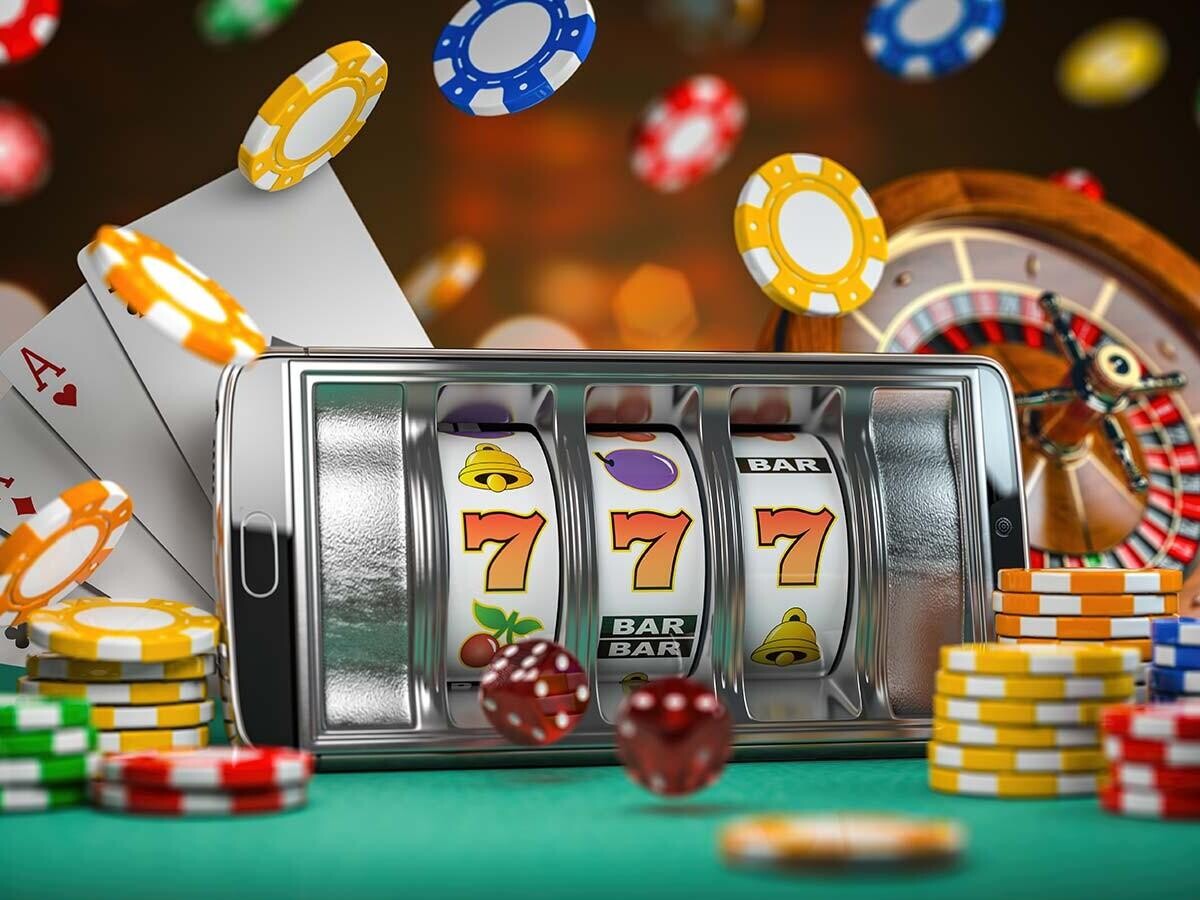
King Johnnie Casino: A Premier Gaming Experience
At King Johnnie Casino, players can explore a thrilling array of gaming options designed to deliver excitement while also encouraging responsible gambling. The platform emphasizes player safety and offers tools to manage gambling habits effectively, ensuring that enjoyment does not lead to financial distress.
With enticing bonuses and a robust selection of games, including slots and live dealer experiences, King Johnnie Casino aims to provide an exhilarating yet responsible gaming environment. Players are invited to join a community that not only values entertainment but also prioritizes financial wellness and personal responsibility in gambling behavior.